








January is a time for fad diets, expensive spa trips and attempted teetotalism.
Millions of Britons begin the month vowing to get healthier – running, weight lifting or sauna-ing into the New Year.
But as February fast approaches, many of these habits will begin to dwindle.
Research shows that most people who try the latest quick-fix plan to lose weight and improve their health ultimately don’t keep the weight off or the habits up.
By the end of January, studies show, up to 88 per cent of people have abandoned their goals entirely.
But whilst overenthusiastic purchases of expensive gym memberships or marathon training programmes might be worth cancelling, experts say there are simple ways to improve your health that aren’t tough to stick to.
And, more importantly, they won’t cost you a penny.
We asked a top longevity experts for her daily hacks that keep energised, fit and youthful.
So from touching grass to taking deep breathes through the nose, read on for the six everyday activities that can rapidly improve your health – without breaking the bank.
Getting sun on your face for just five minutes each morning can help improve sleep and lessen stress and depression, research shows
Get some morning Vitamin D
In the morning rush of getting showered, fed, dressed and out the door in time for work, many of us miss one crucial aspect of a healthy morning routine: sunlight.
Getting sun on your face for just five minutes each morning can help improve sleep and lessen stress and depression, research shows.
This is because exposure to more light during the day and less light at night is critical for healthy sleep patterns as it helps to calibrate the body’s internal ‘circadian’ clock.
American researchers found that people who were exposed to greater amounts of light during the morning hours, between 8am and noon, fell asleep more quickly at night and had fewer sleep disturbances during the night compared to those exposed to low light in the morning.
But it’s not just beneficial for the body clock. Soaking up some Vitamin D – a vitamin that our bodies rely on sunlight to create – can also help our bone health.
Vitamin D helps our bodies absorb the calcium needed for strong bones. Without it, bones can become soft (causing rickets in children) or, as we get older, brittle (causing osteoporosis).
But while we can easily get all the calcium we need from our diet, Vitamin D is much harder to come by in food. Luckily, our bodies can make enough – if our skin is exposed to sunlight.


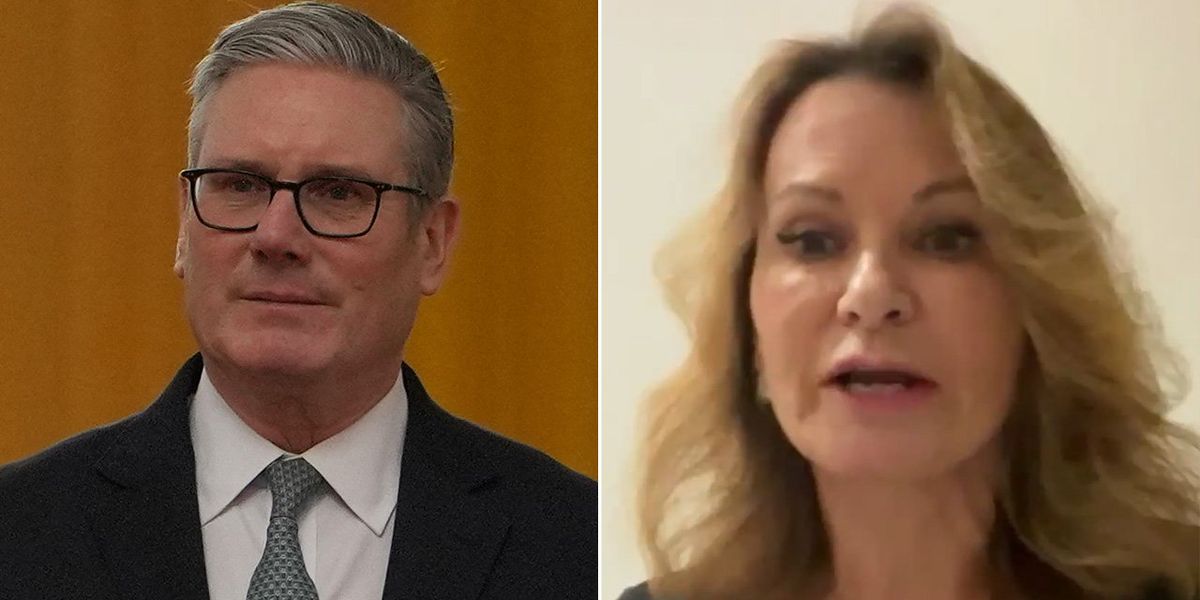
Longevity expert and co-founder of supplement brand BodyBio Jessica Kane (pictured) says starting the day with some morning sun is crucial for health
To boost bone health – and help nod off at night – make sure you start your day with some natural light, therefore, says longevity expert and co-founder of supplement brand BodyBio Jessica Kane.
‘Get your eyes in natural light first thing in the morning – as soon as you can, not through a window, without sunnies on,’ she advises.
‘Getting outside within 30 minutes of waking helps reset your circadian rhythm, which plays a major role in sleep quality, hormone balance, energy levels, and even metabolism.
‘You don’t need sunshine, just daylight. A few minutes can make a noticeable difference by the evening.’
Take a stroll after meals
Taking a stroll after a big meal is probably the last thing you want to do.
But even a short walk after eating can have massive impacts on your health, say experts.
‘A short 5 to 10 minute walk after eating helps regulate blood sugar, supports digestion, and reduces inflammatory spikes,’ explained longevity expert Ms Kane.
‘It’s one of the simplest ways to improve metabolic health without formal exercise.’
Studies back this up. Going for a short walk after a meal was shown to reduce blood sugar and lower the risk of type 2 diabetes in a University of Limerick study published in 2022.
Setting off 60 to 90 minutes after eating was found to be optimum as this is when blood sugar levels typically peak and it allows the muscles to soak up fuel from the food.
People should aim for a 15-minute stroll but even ‘mini walks’ of two to five minutes offer some benefit, the study’s authors concluded.
Other research has shown that a few minutes of walking after meals can also aid digestion and help regulate blood sugar levels.
Likewise, studies show that short bursts of movement throughout the day contribute to calorie burn and improve metabolism.
Stop mouth breathing


Mouth breathing, characterised by the tendency to breathe through the mouth instead of the nose has long been known to disrupt sleep
It’s the hidden health problem that affects nearly half the population and raises the risk of snoring.
Mouth breathing, characterised by the tendency to breathe through the mouth instead of the nose has long been known to disrupt sleep.
But new research suggests the habit could also raise the risk of obesity, dementia, arthritis and even some forms of cancer.
This is thought to be due to the fact that mouth breathing dries out the mouth, creating conditions in which harmful bacteria can grow.
But it’s not about avoiding the negatives of mouth breathing.
Experts say that breathing through your nose can have its own unique health benefits – and argue we should all be doing more of it.
‘Nasal breathing improves oxygen efficiency and helps keep the nervous system calm,’ says longevity expert Jessica Kane.
‘Even something as simple as a daily walk while breathing through your nose can reduce stress and support cardiovascular health.’


Hillary Clinton says she practises alternate nostril breathing every day to reduce stress
For people who struggle to naturally breathe through their noses, experts say one simple daily exercise to try is a technique called alternate nostril breathing.
To try this, sit in a chair in a relaxed position and take your right thumb and put it over your right nostril.
Breathe in through your left nostril once and then exhale.
Then, alternate so that your finger is now covering your left nostril, breathe in through your right nostril and exhale. Repeat the exercise twice a day.
Famous fans of the exercise include former US presidential candidate and First Lady Hillary Clinton, who says she practises alternate nostril breathing every day to reduce her stress levels.
Touch grass – with your feet
It may sound a little woo-woo. But simply standing barefoot on the ground can make you feel better, inside and out, claim experts.
‘Spending time barefoot on grass, sand, or soil, often called grounding, can help calm the nervous system, reduce stress, and improve sleep,’ said Ms Kane.
‘Modern life keeps us insulated from the earth, but reconnecting with it, even briefly, appears to have real physiological benefits.’
The research on this is a little more mixed.
Advocates claim walking barefoot outside means negatively charged electrons in the ground can neutralise positive particles in our bodies that threaten our health – a claim that lacks scientific backing.
But the NHS and mental health charity Mind do recommend grounding techniques, such as walks, to help people cope with flashbacks, nightmares or PTSD – though being barefoot is optional.
And some research has shown benefits for chronic inflammation, stress relief and improved sleep quality – though these may also be due to the time spent outdoors.
And there may be other, more niche benefits. Actress Naomie Harris claims that ‘grounding’ helps her with jetlag.
The 40-year-old Bond star claimed in 2017 that ‘grounding’ after a long-haul flight is ‘the best way to get in sync with a new time zone’.
Oscar winner Gwyneth Paltrow, unsurprisingly, is also a fan.
Put the phone away at mealtimes

Both men and women eat 15 per cent more calories when looking at mobile phones while eating compared to when they had no distractions
Simply putting screens away during mealtimes can also help improve one’s help, research suggests.
Staring at your phone as you eat has been linked to weight gain.
Researchers have found that men and women consumed 15 per cent more calories when looking at their phones while eating. They also ate more fatty food.
It can also make you more tired. A 2016 study found that people who played on their phone during their lunch break were more tired during the afternoon than those who went for a walk or read a book.
This may be because they used up more mental energy – or simply because their eyes were strained or their necks cricked.
‘How you eat matters just as much as what you eat,’ says Ms Kane.
‘Slowing down and eating without screens activates the ‘rest and digest’ nervous system, improving digestion, nutrient absorption, and appetite regulation.’
Less time on smartphones more generally also appears to benefit our mental health, research has found.


A study published last month found that going to bed at the same time every night reduced the risk of early death by 20 percent
Cutting your smartphone use by just an hour a day makes you less anxious, more satisfied with life and more likely to exercise, a 2022 study declared.
Previous research has also linked increased smartphone use with obesity, neck pain, impaired performance, and addiction-like behaviour.
Bring back bedtime
Sleep, it may not be a shock to hear, has a major impact on health.
Not getting enough is linked with a range of physical and mental health conditions, including high blood pressure, heart disease, dementia and depression.
Adults are usually advised to get around seven to nine hours a night, although this varies from person to person. But many of us still spend most of our time sleep-deprived.
Around 70 per cent of British adults don’t get the recommended amount of sleep each night – with the average Briton sleeping for just 6 hours and 24 minutes each night.
A further 7.5 million people are estimated to get under five hours of shut eye.
To fix poor sleeping habits, says longevity expert Jessica Kane, reinstigate a bedtime routine.
‘A consistent evening routine, dimming lights, avoiding screens, or repeating a calming habit, signals to your body that it’s time to rest,’ she explained.
‘Quality sleep is one of the fastest ways to improve immunity, mood, and overall health, and it doesn’t cost a thing.’


