



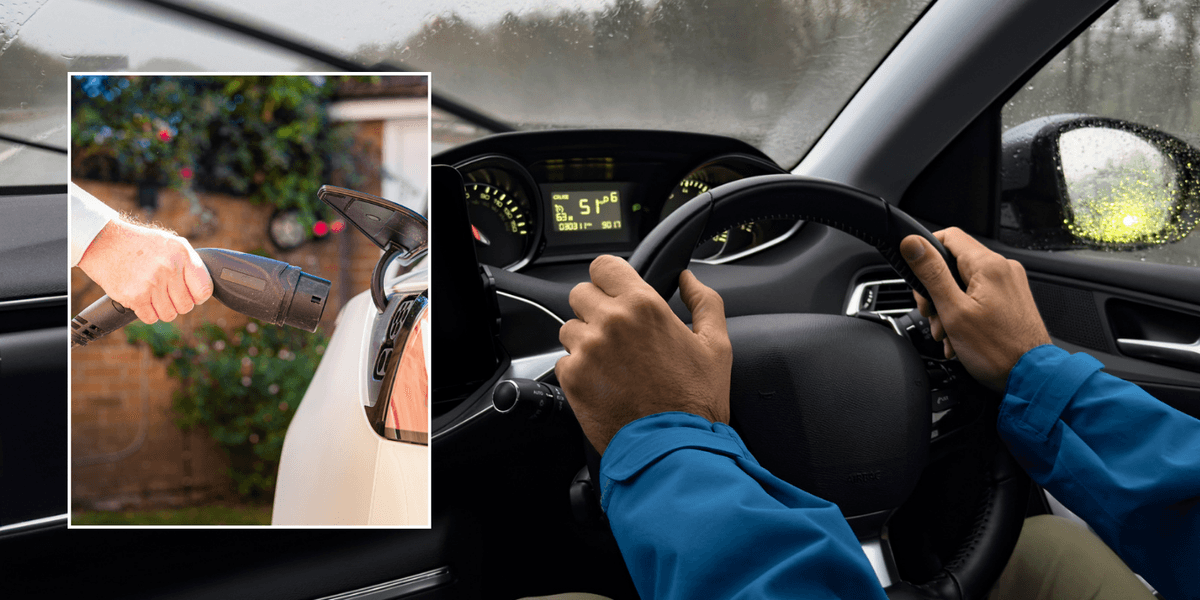
One in seven drivers believe electric cars cannot safely drive through water, according to new research, as heavy rain and storms batter parts of the UK.
The findings follow Storm Chandra which has been bringing strong winds, flooding and widespread disruption, leaving roads covered in deep puddles and standing water.
Despite the conditions, experts stated electric vehicles have been designed to cope with wet weather just like petrol and diesel cars.
A survey of 2,000 UK adults, commissioned by car manufacturer BYD, found 14 per cent of drivers think electric cars cannot drive through water at all.
The same research also revealed around one in 14 people believe EVs cannot go through a car wash or even get wet.
But the Chinese car giant said these beliefs are based on outdated fears about mixing water and electricity, rather than the way modern electric vehicles are actually built.
Steve Beattie, Deputy Country Manager of BYD UK, said: “Modern EVs are built to rigorous safety standards, with waterproofed components that allow them to drive through water just as safely as petrol or diesel cars.
“Whether it’s rain, puddles, or car washes, EVs are thoroughly tested for water resistance, so drivers don’t need to worry.”
One in seven drivers believe EVs will stop working in wet conditions
|
GETTY
According to BYD, electric cars undergo strict safety testing, including exposure to water, before they are allowed on the road. Battery systems and high-voltage components are sealed to prevent water ingress, meaning everyday British weather poses no extra risk compared to traditional cars.
The research also highlighted confusion around electric car chargers, as many homeowners prepare to move in the new year.
Property website Rightmove revealed how January and early February are among the busiest months for people putting their homes on the market.
However, BYD‘s survey found that almost one in five Britons believe they cannot take their EV charger with them when they move house. In reality, most home chargers can be removed and reinstalled by qualified professionals.
Mr Beattie shared: “While EV chargers are fixed to homes, they can be professionally uninstalled and reinstalled at a new address.
“Many people don’t realise this, but with professional help, moving a charger is straightforward. It’s worth considering the cost, though, as installation is often included with new chargers.”
The survey also suggested younger drivers are more likely to believe common myths about electric vehicles than older generations.
Nearly nine out of 10 people aged over 55 rejected all the misconceptions tested in the research. In contrast, only 17 per cent of those aged 18 to 24 rejected all EV myths. Among 25 to 34-year-olds, just 23 per cent dismissed them.
BYD is already one of the best-selling brands in the UK | BYD
BYD said this showed that misinformation remains a barrier to wider adoption of electric cars.
Mr Beattie added: “Our research shows that while electric vehicles are changing the way we drive, there are still a lot of misconceptions out there.
“Clearing up these myths is key to building trust and helping drivers feel confident about EV technology as we move towards a zero-emission future.”
BYD said it is working to improve public understanding of electric vehicles as more drivers consider switching away from petrol and diesel.
“At BYD, we’re focused on helping drivers understand the realities of electric vehicles and making sustainable transport more accessible to everyone,” Mr Beattie explained. “By tackling these myths head-on, we hope to encourage more people to see the benefits of EVs and make the switch.“