





Britain must abandon its current energy policy to avoid locking itself into years of high electricity bills and industrial decline, a new report has warned.
‘Why Britain Needs an Energy Strategy Reset,’ released today by the Tony Blair Institute for Global Change think tank, says the Government’s flagship Clean Power 2030 drive is no longer fit for purpose.
It argues that in a country responsible for “less than 1 per cent” of global emissions, a policy that raises bills and weakens industry is “not climate leadership – it is climate theatre”.
The report is not calling for Britain’s commitment to net zero to be scrapped, but it warns the current pathway could collapse under its own weight.
“If energy becomes too expensive, everything else comes under strain: electrification stalls, industry relocates, households resist and climate ambition collapses under political pressure,” it states.
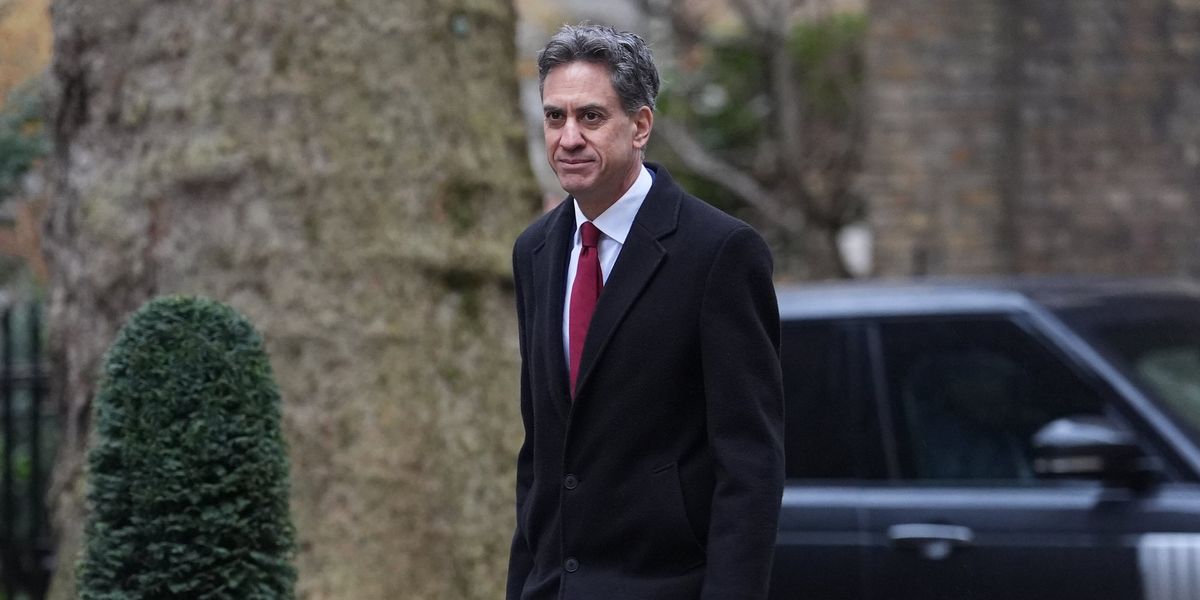
Under current Clean Power 2030 plans led by energy secretary Ed Miliband, Great Britain’s electricity system is set to decarbonise by 2030, so that it is mostly generated from low-carbon sources – renewables and nuclear.
The Blair Institute report says this focus is too narrow. It states: “This narrow focus on whether power is clean means the system has lost sight of whether it is cheap, secure and capable of powering a modern economy.”
Tone Langengen, the report’s author said: “The UK has the most expensive electricity in the developed world and this current strategy is hurting the economy, and consumers so we need a radical reset.”
The Tony Blair Institute for Global Change think tank said Britain must abandon its current energy policy
|
PAShe added that the current revolution in AI technology, data centres and electric vehicles means the country will need far more power, not less, but the UK will not be able to keep up with developments due to current Net Zero policies, which are driving up energy costs.
“The world is moving apace. Affordable energy will determine whether we are part of the future or whether we will live in a society where we cannot compete and people suffer with sky-high bills,” she said.
Experts also highlight the fact that high household energy bills mean people cannot properly afford to heat their homes – linked to thousands of winter deaths a year.
The report states: “If Clean Power 2030 was ever fit for purpose, that is no longer the case.”
It adds: “Electricity cannot be considered as just a household utility” instead it is “a core input to technological sovereignty and economic power.”
If power is too expensive, those industries will simply go elsewhere.
The Institute challenges the idea that more renewables automatically mean lower bills. It highlights the fact offshore wind costs more than it did a few years ago, and building it too quickly added extra costs – including £1.5billion in 2025 to switch wind farms off and use gas instead.
However, gas still sets the electricity price most of the time, even with more renewables on the grid.
The report says that is why bills remain high – and why energy policy needs to focus on cutting costs first. Instead of Clean Power 2030, it proposes Cheaper Power 2030.
“Cheaper Power 2030 is not a retreat from climate ambition,” the report insists. It argues cheaper electricity is the only way people will switch to electric cars and heating.
“People will not electrify their homes or businesses if electricity remains expensive,” it states.
Under this approach, no major energy policy would go ahead unless it could “demonstrably reduce system costs over time”.
The UK’s growth will be stunted due to current Net Zero policies, which are driving up energy costs
|
GETTYThe report also says the Government is making plans on the basis that gas prices and its tax on carbon pollution will remain high.
That means the system is being designed to avoid gas at almost any cost, including signing expensive long-term deals and building extra infrastructure, adding to energy costs.
However, it states that if gas and carbon costs fall, households could be stuck paying for an energy system that didn’t need to be so expensive.
The report also calls for renewed use of North Sea oil and gas.
It says that although this won’t cut electricity bills significantly, it will increase employment, tax income and energy security.
It says Britain should treat domestic production as a “strategic asset,” not just a political issue.
A spokesman for the Department of Energy Security and Net Zero said: “Our clean power mission is the only way to bring down bills for good.
“The alternatives leave Britain dependent on petrostates and dictators whose control of fossil fuel markets helped drive the cost of living crisis, and are not in the interest of the British people.
“The route to energy sovereignty, lower bills and thousands of good jobs in our communities is becoming a clean energy superpower.