




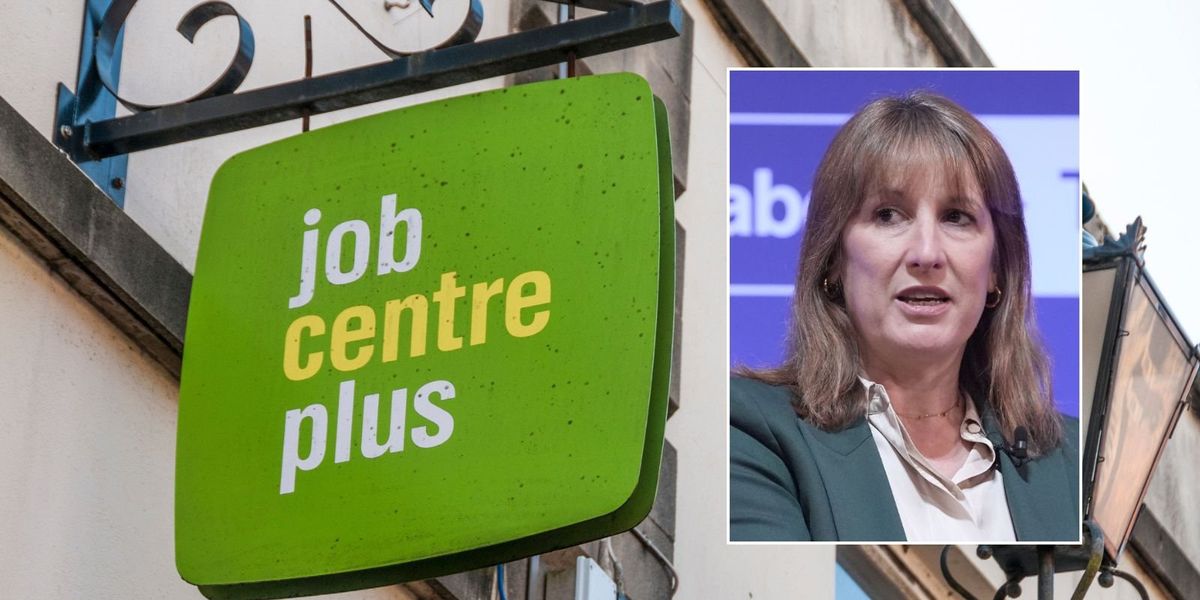
Labour is struggling to move people off benefits and back into work after the proportion of welfare claimants securing employment fell to its lowest level in seven years.
Official figures show that just one in 14 people on benefits, or 6.9 per cent, moved from welfare into employment each month on average between January and September 2025, the weakest performance since 2019.
The rate of Universal Credit claimants finding work during the first nine months of 2025 was even lower than during the Covid pandemic, when public health restrictions sharply curtailed hiring across the economy.
The data represents a significant setback for Sir Keir Starmer, who has committed to “get Britain working” and set an ambitious target of achieving an 80 per cent employment rate, considerably higher than the current 75.1 per cent.
Helen Whately, the shadow work and pensions secretary, placed the blame squarely on government policy choices.
“This hasn’t just happened by chance under Labour’s watch. It’s an inevitable consequence of their decisions in Government,” she said.
“They’ve put taxes up on jobs and piled red tape onto businesses, so they’re not hiring. Getting off benefits has got harder and the welfare trap is deeper.”
The criticism from the Conservative frontbencher comes as the Government faces growing pressure over rising welfare spending and ongoing fallout from Rachel Reeves’s tax-raising Budget.
Labour under fire as number of benefits claimants moving into work falls to seven-year low
|
GETTY
Official figures from December show that 1.6 million Universal Credit claimants were required to look for work, a figure that has remained largely unchanged since Labour took office in July 2024.
Reform UK’s deputy leader Richard Tice also criticised the Government, accusing it of policies that actively discourage people from entering employment.
“Labour are actively disincentivising people, especially the young, getting into work with their ever-higher taxes and employment regulations,” he said.
“They have no idea about business and the costs of employing people. Their policies are destroying jobs and opportunities.”
Reform UK’s deputy leader Richard Tice also criticised the Government, accusing it of policies that actively discourage people from entering employment
|
GETTYThe most recent monthly data underscores the deteriorating trend. In September 2025, just 7.1 per cent of Universal Credit claimants required to seek work started new positions, compared with 7.7 per cent during the same month in 2024.
Both opposition figures pointed to the Government’s approach to taxation and business regulation as the primary culprits behind the worsening employment figures.
Britain’s welfare bill is projected to surge by £73.2billion over the coming five years, reaching £406.2billion according to Office for Budget Responsibility forecasts.
Meanwhile, the number of Universal Credit claimants exempt from work requirements has climbed sharply to 4.2 million in December, up from 2.7 million when Labour assumed power.
Reports suggest Sir Keir has delayed comprehensive welfare system reforms by at least twelve months
|
StarmerGovernment officials have attributed much of this rise to recipients transferring from other sickness-related payments onto Universal Credit.
Reports suggest Sir Keir has delayed comprehensive welfare system reforms by at least twelve months, making changes before the 2029 election increasingly unlikely.
Last year, a rebellion from left-wing Labour MPs forced ministers to water down proposed reforms and reverse £5 billion in planned disability benefit reductions.