

Labour has been slammed over the dangers of smart motorways, with peers calling for the total removal of the schemes following ongoing safety fears and rising injury figures.
During a tense exchange in the House of Lords, peers criticised the controversial road schemes that removed hard shoulders on major routes, including the M1, M3, M4, M6, and the M25.
Lord Harris of Haringey opened the questioning by challenging the Government over the safety and value for money of the projects, highlighting that National Highways rated some upgrades as “very poor”.
His main concern, however, was safety, highlighting that casualties have gone up on parts of the M3 and M1, before asking what further steps ministers were planning to take.
Responding for the Government, Transport Minister Baroness Taylor of Stevenage said National Highways data showed smart motorways are “meeting or exceeding safety objectives in all but one upgrade”.
However, she admitted there is a “perception issue”, adding the Government acknowledged “people need to feel safe as well as be safe”.
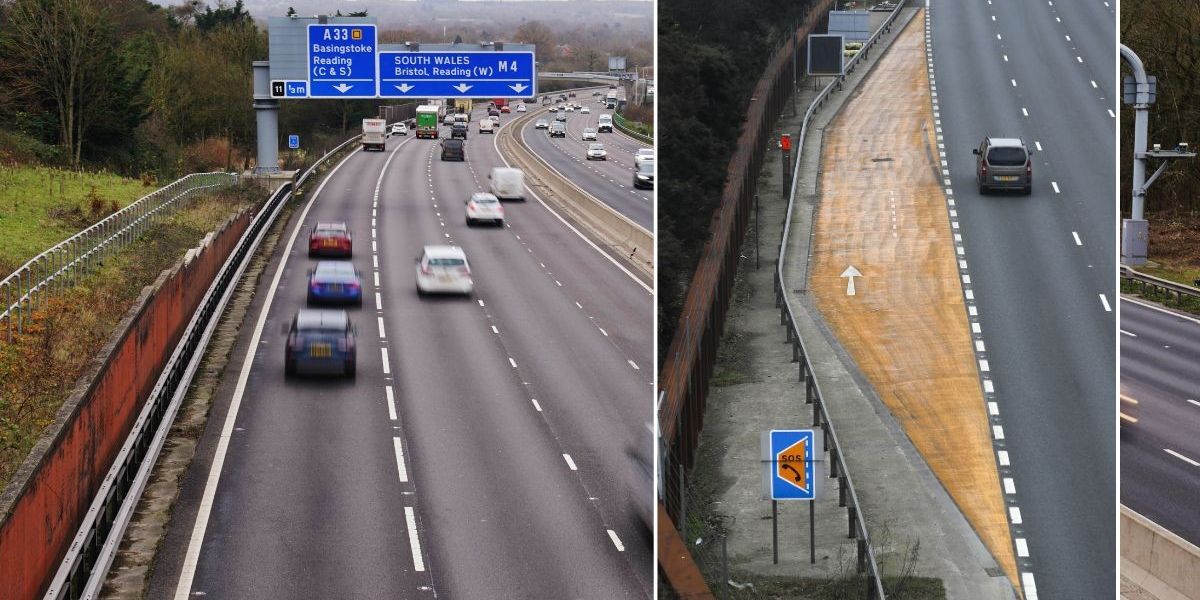
The minister highlighted the £900million spent on safety improvements, including the installation of 150 additional emergency refuge areas and upgraded electronic signage and traffic detection systems.
She also pointed to 2023 figures showing 793 people were killed or seriously injured on motorways, compared with 1,120 on A roads, 327 more than on motorways.
Peers warned of the dangers of smart motorways, with National Highways having to unveil new emergency refuge areas
|
PAConservative peer Baroness Pidding branded smart motorways a “huge waste of public money and time”, particularly as the Government had to retrospectively add more than 150 additional emergency areas due to safety concerns.
She questioned: “What is the total cost of these additional works? And will the Government assure the House [that] no further smart motorways will be installed?”
Baroness Taylor said she could “absolutely assure her there will be no more smart motorways installed,” adding that Labour had inherited the programme.
The Baroness explained that it had originally been introduced “with the best intentions” to increase road capacity, reduce congestion and support the economy.
Baroness Taylor explained how the Government acknowledged the issues around smart motorways
|
PARLIAMENT UK
Meanwhile, Lord Moylan raised specific concerns about the M3 between Junctions 2 and 4A, claiming the rate of people killed or seriously injured there had increased by around one third.
However, Labour peer Lord Snape stated the original pilot scheme on the M42 showed “very considerable reductions in congestion”, improved journey reliability and a reduction in accidents.
Baroness Taylor agreed that boosting capacity and cutting congestion were central to the schemes’ value for money.
However, she warned that recent assessments covered a long-term period, including the Covid pandemic, which affected traffic patterns and data.
The Government announced all new smart motorways would be scrapped in 2023
|
PABaroness Taylor explained how the overall toll of road accidents was “absolutely staggering”, estimating that more than £3.1billion was spent last year on medical and ambulance costs due to collisions.
“We are prepared to tolerate a level of death and injury on our roads, but that, frankly, is unacceptable,” she told the House.
Despite Government assurances, RAC head of policy Simon Williams said: “The hard shoulder is by no means a safe location, but in the event of a breakdown, it’s far safer than being stranded in a live lane of traffic waiting for the ‘red X closed lane’ sign to be turned on and then hoping drivers do the right thing and move into another lane.
“These roads are deeply unpopular, and only the reinstatement of the hard shoulder is going to cut it with drivers.”