




The Office for National Statistics (ONS) has confirmed that that it will incorporate supermarket scanner data into UK inflation measurements for the first time, with the change taking effect from next month.
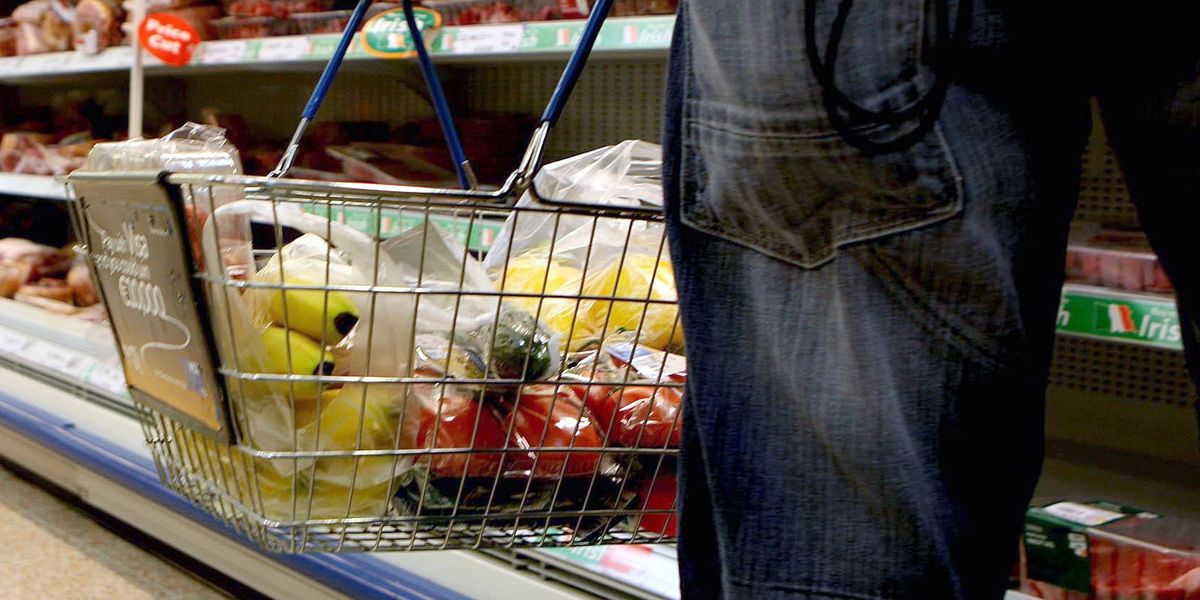
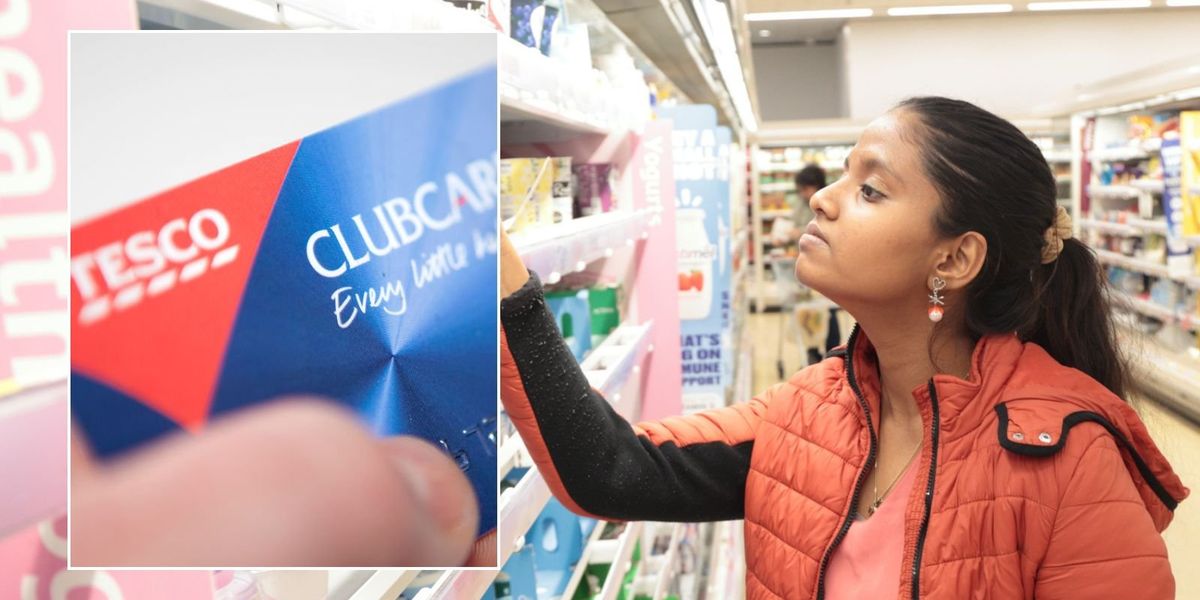
February’s inflation figures, due for release in March, will draw on more than one billion data points gathered from checkout tills and online grocery purchases, including from prices that have been reduced by supermarket loyalty schemes, such as Tesco Clubcard.
This significant methodological shift means the ONS will move away from traditional manual price collection methods that have been used for decades.
The overhaul forms part of wider efforts to enhance the accuracy of Britain’s key economic indicators, following a period in which the statistics agency faced scrutiny over data quality issues and publication delays.
The ONS is changing how it calculates inflation, with Tesco Clubcard purchases being factored in
|
GETTY
The new approach will enable the ONS to track promotional pricing and loyalty card discounts that shelf prices fail to reflect, offering a more accurate picture of what consumers actually pay.
Mike Hardie, deputy director for prices transformation at the ONS, shared: “Rather than assuming the change in the price of one type of apple in a supermarket reflects all apples, for the shops supplying us with scanner data, we will be able to see how the price of every apple changes as well as knowing exactly how much of each type of apple is bought.”
This granular data will allow statisticians to monitor precise purchasing patterns across product ranges, capturing real-world shopping behaviour rather than relying on representative samples.
The statistics agency is also tackling price volatility in accommodation data by doubling its hotel sampling, adding an extra collection day each month.
This adjustment aims to smooth out dramatic swings caused by major entertainment events that temporarily inflate demand for rooms.
Accommodation inflation demonstrated this volatility starkly in 2024, surging to 9.8 per cent in June during Taylor Swift’s UK tour before dropping to 3.9 per cent the following month.
“Analysis shows that both these improvements will lead to less volatility in overall inflation,” said Mr Hardie.
Rob Wood, economist at Pantheon Macroeconomics, welcomed the changes, noting that hotel prices have long caused “unnecessary volatility in the CPI”.
How has inflation changed in recent years? | ONS
He added: “These are welcome improvements, catching up with methods used in some other countries, and hopefully the ONS will continue improving the data.”
The implementation arrives a year behind schedule, with the ONS citing a “prudent” approach given the scale and complexity of the transition.
UK inflation stood at 3.4 per cent in December, rising from 3.2 per cent the previous month and exceeding the eurozone’s 1.9 per cent rate.
Food prices, which disproportionately affect lower-income households, climbed to 4.5 per cent annual inflation in December.
ONS breakdown of the figures | ONS
However, the ONS cautioned that scanner data will have a modest impact on overall figures, as groceries constitute only a portion of the inflation basket.
The new methodology will also cover roughly half of the grocery market, with analysis showing it reduced consumer price inflation by an average of just 0.03 percentage points between January 2019 and June 2025.
Earlier this month, ONS data confirmed that the consumer price index (CPI) rate of inflation jumped to 3.4 per cent for the 12 months to December 2025.
Recent spikes in inflation have pushed central banks, including the Bank of England, to raise efforts in an effort to ease the CPI rate to the desired two per cent target.