




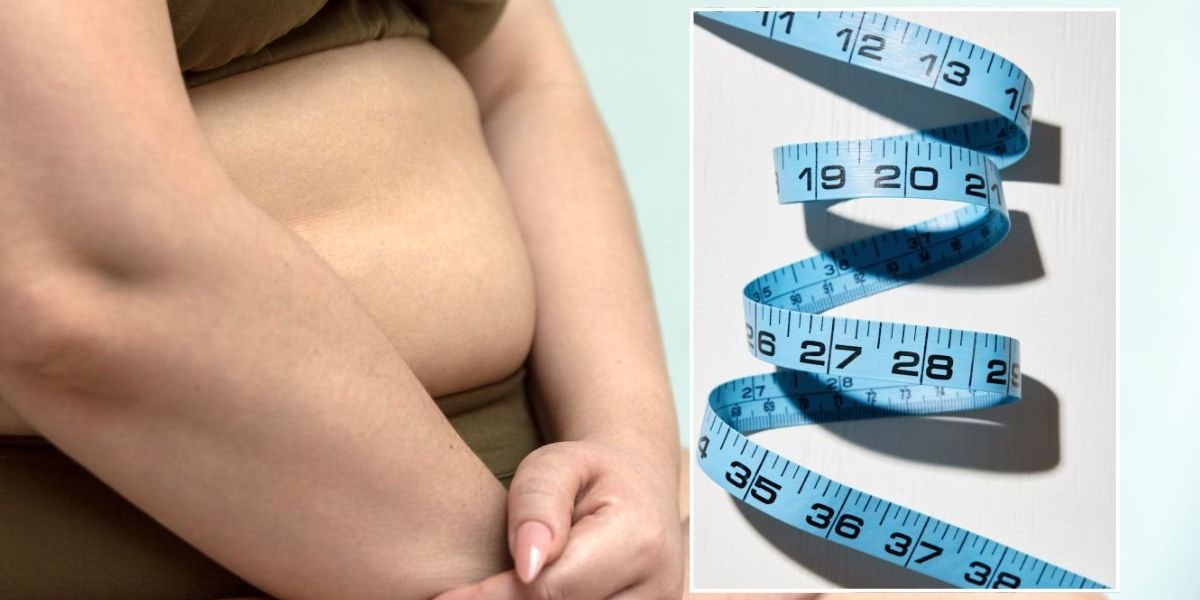
If you have ever wondered whether endless crunches will finally shift that stubborn belly fat, two medical experts have some news for you – it simply does not work that way.
Founder and CEO of The Adapt Lab, Dr Chad Larson, told GB News: “Fat in the abdomen cannot be reduced by exercise or diet since it embodies the hormonal responses of the entire body as opposed to the separate actions of muscles or individual nutrients.”
Dr Will Haas, MD, founder of integrative wellness clinic VYVE Wellness, echoed this view, telling the People’s Channel: “You cannot spot-reduce fat in your stomach, but you can lose the type of fat that matters most, i.e., visceral fat.”
Both experts agree sleep and managing stress are vital when it comes to tackling abdominal fat.
Visible changes typically appear within four to six weeks once metabolic signals begin to shift
|
GETTY
Dr Larson explained that improving sleep quality, keeping stress in check, and maintaining stable blood sugar levels produce the most significant results.
He noted that when sleep is poor or cortisol levels are elevated, belly fat tends to remain stubbornly in place.
Dr Haas described sleep and stress reduction as “the unsung heroes” in the battle against belly fat.
He told GB News: “If you don’t get enough sleep, you’ll want more food, and if you’re stressed, your insulin levels will rise. Both of these factors contribute to fat gain.”
So before reaching for another diet plan, it might be worth examining your bedtime routine first.
When it comes to exercise, both doctors champion weight training as a key tool in the fight against belly fat.
Dr Haas recommends hitting the weights two to four times per week, combined with regular movement like walking or taking the stairs.
He told GB News: “Weight training is also very important, as it allows you to lose fat and maintain muscle mass. The more muscle mass you have, the better your metabolism.”
Dr Larson added that resistance training helps improve how your body responds to insulin, which is crucial for shifting stubborn fat.
And do not underestimate a good walk, Dr Haas noted, as many people find they lose inches simply by walking more regularly.
What you eat matters just as much as how you move.
Dr Haas told the People’s Channel: “In terms of diet, high protein intake, high fibre intake, and limiting ultra-processed carbohydrates and alcohol appear to have the greatest impact on fat reduction.”
Weight training is a key tool in the fight against belly fat
|
GETTYHe suggested focusing on protein and plant-based foods at mealtimes, while keeping blood sugar steady by cutting back on liquid calories and late-night snacking.
Dr Larson pointed out that less obvious habits like eating late in the evening and not getting enough daily protein can interfere with your body’s ability to burn fat.
He warned extreme dieting can actually backfire, potentially worsening fat storage around the waist due to increased stress hormones.
Visible changes typically appear within four to six weeks once metabolic signals begin to shift.