


The BBC has been urged to abandon “tick box” diversity casting in its dramas following a major independent review commissioned by the broadcaster’s board.
The 80-page report, authored by former Bafta chair Anne Morrison and ex-Ofcom executive Chris Banatvala, found that well-intentioned efforts to boost ethnic representation can produce “clunky” results that ultimately harm the communities they aim to serve.
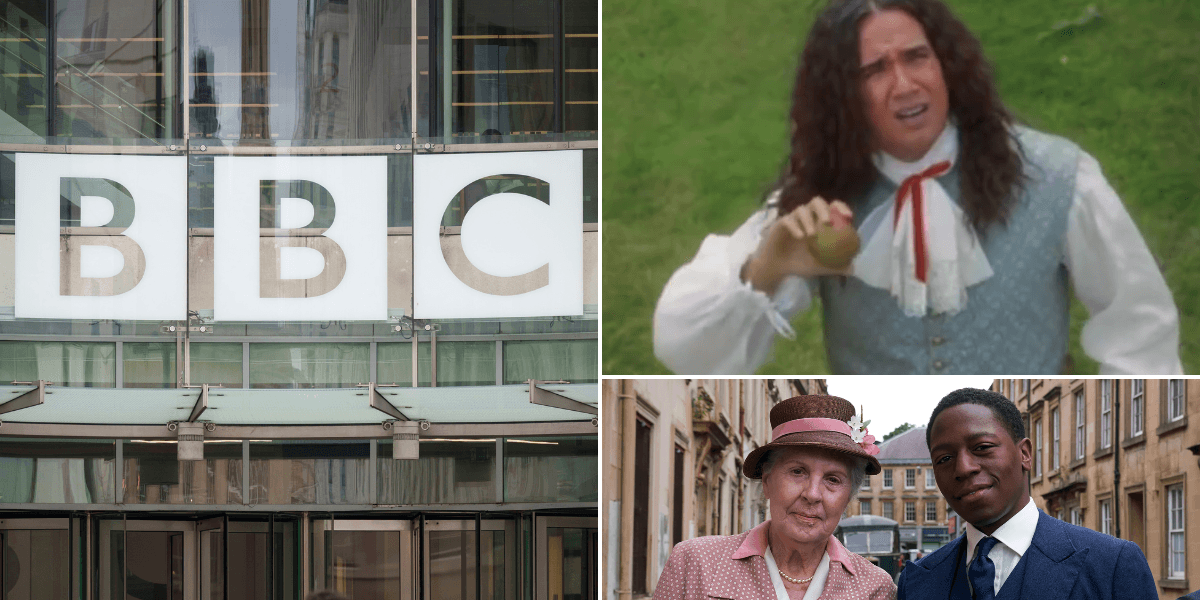
Viewer complaints about Doctor Who casting Nathaniel Curtis as Sir Isaac Newton in the 60th anniversary special Wild Blue Yonder were highlighted in the findings, alongside criticism of the 2023 Agatha Christie adaptation Murder Is Easy.
The review cautioned that depicting “an anachronistic historical world in which people of colour are able to rise to the top of society as scientists, artists, courtiers and Lords of the Realm” risks “erasing the past exclusion and oppression of ethnic minorities.”
Doctor Who’s casting of Isaac Newton was referenced in the report
|
BBC
“What needs to be avoided is ethnic diversity which looks forced and tick box, and we found our interviewees of colour as emphatic on this point as those who were white,” the report stated.
The review took particular aim at Murder Is Easy, which incorporated West African Yoruba cultural elements and was described by its director as “a great allegorical story about colonialism.”
“Audiences are particularly unforgiving of this if it challenges their expectations of what they have switched on to see,” the report warned.
“If there’s an Agatha Christie murder mystery over the Christmas period, they won’t expect to be taken into anti-colonial struggles, alongside the country-house murder.”
Agatha Christie’s Murder Is Easy was also used as an example in the report
|
BBC
Without skilful execution, such approaches risk appearing “overly didactic and preachy, as if the viewer is being lectured or a point is being made heavy-handedly.”
The authors recommended measuring representation at the genre level rather than programme by programme, arguing that current methods create pressure for “a smattering of diversity in every programme which can lead to inauthentic portrayal.”
Commissioners should feel comfortable producing all-white programmes, the review suggested, just as they can create all-black series such as Mr Loverman or I May Destroy You.
The review identified the BBC’s London-centric culture as a persistent problem, with audience research revealing perceptions that the corporation remains “skewed towards the middle class.”
The BBC has welcomed the findings
|
PAViewers outside London and the South East reported feeling their lives were under-represented, with the report noting that the capital’s demographics—where 46.2 per cent of residents identified as non-white in the last census—bear little resemblance to much of the country.
One anonymous production company boss described BBC commissioners as living “within 15 miles of each other,” frequenting “the same restaurants” and reading “the same books.”
Working-class portrayal also drew criticism, with the report finding such communities “often portrayed first and foremost through their class, focusing on their perceived problems and deprivation” through themes of “poverty, crime, addiction and de-industrialisation.”
A significant gender imbalance among older presenters was uncovered, with nearly four times as many male presenters over 60 as women, rising to 57 men versus just 11 women among the over-70s.
Ncuti Gatwa recently left his role in Doctor Who
|
BBC
BBC chairman Samir Shah welcomed the review’s findings, stating: “It is vital the BBC authentically reflects the lives of all the communities, classes, and cultures across the UK.
“Decision-making must happen closer to audiences if we want to ensure that everyone feels represented and that the BBC remains an engine for growth within the creative industries.”
Chief content officer Kate Phillips acknowledged there was “still more to do” despite progress in moving production and commissioning across the country.
The corporation has committed to several concrete actions, including doubling spending on high-impact content in the nations and accelerating plans to relocate commissioners outside London.
Samir Shah has addressed the report’s findings
|
PAA new measurement framework incorporating socio-economic background and geography will be introduced from the next financial year.
The BBC also pledged to systematically review upcoming content plans to ensure underrepresented groups are portrayed authentically, while using data to inform presenter succession planning.